
glossary
Proximity effect
Proximity effect is the change in printed size that happens when nearby shapes steal or donate exposure, so a lonely line prints thinner than a line in a crowd.
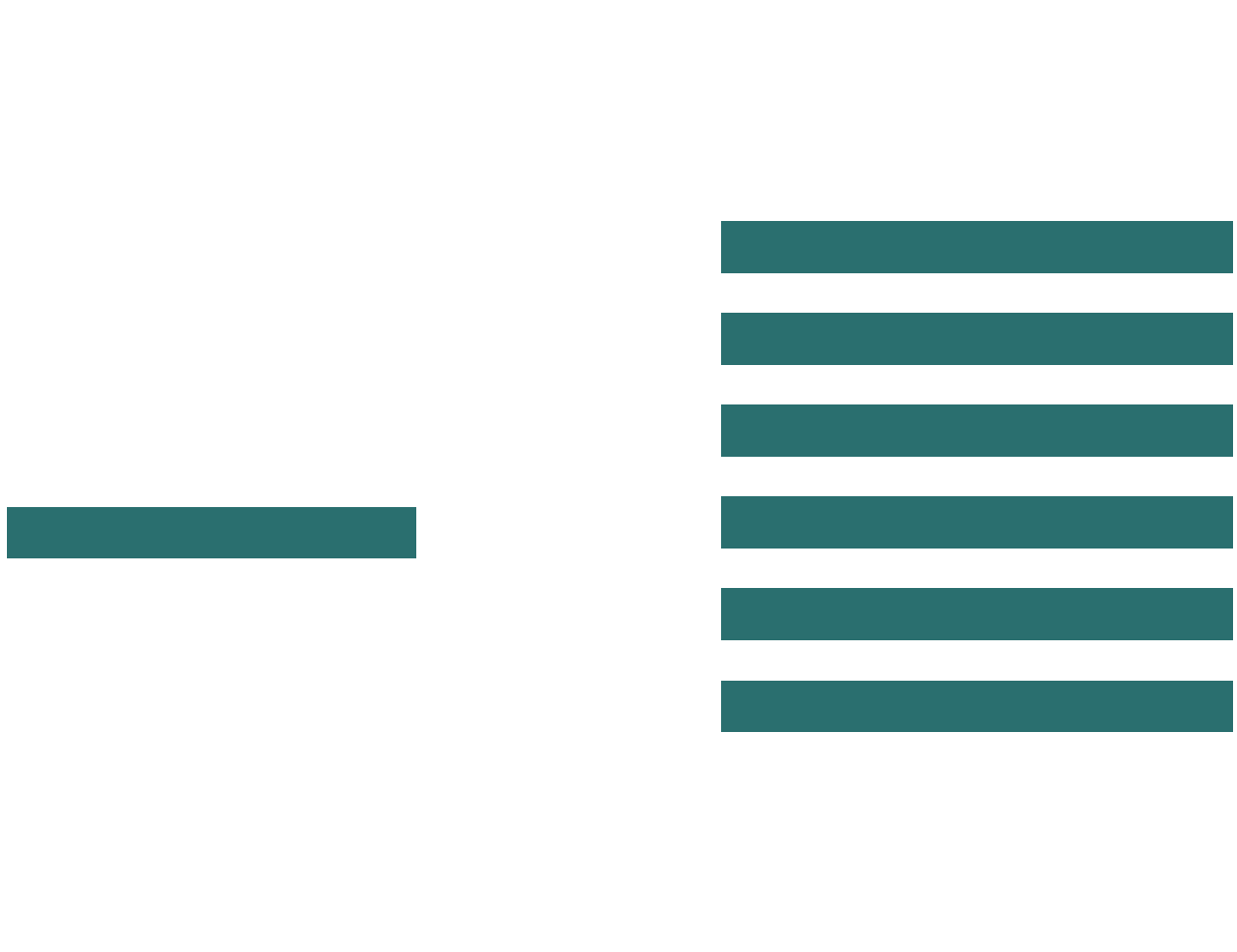
One line stands alone. Beside it, six lines sit in a crowd. The drawing is the same kind of line; the neighborhood is not.
The word belongs to e-beam work and to fine optical print. Electrons scatter. Light diffracts. A 100 nanometer space in a dense array is not the same exposure as a 100 nanometer space next to a desert. Correction changes the dose or adds OPC jogs so the developed photoresist matches the drawing. An isolated line can come out 80 nanometers when the packed lines come out 100, until someone runs proximity correction. A dose map looks like a heat image of the cell.
On optical layers, that neighbor problem is why OPC exists. In the mask shop, fracture and PEC (proximity-effect correction) travel together. Optical neighbors are a cousin of the e-beam case: OPC is the stepper’s answer to the same physics. A correction deck needs a spot size, a resist model, and the fracture style. Change one and the printed width moves. The dose file sits beside the stream, or a warning says that isolated pads need more dose than a dense array.
Tightening a width to match the SEM, without changing the correction deck, moves the target. The scatter is still there.
The exposure, the plate, and the rules are covered in e-beam writes one shape at a time, what a photomask is, and design rules and DRC.